|
About BookScans |
||
|
|
The scans are not meant to be of superior quality. You won't want to make posters or 8X10 glossies from these (there are other commercial sites featuring the more exotic covers for that purpose). It simply lets the collector see the evolution of cover art by publisher, or see what covers look like in the event he or she is searching for a specific book.
Frequently Asked Questions Here are some FAQ's about the scans contained in the database:
"Have you altered the scans?"
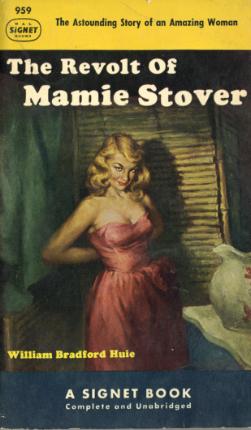
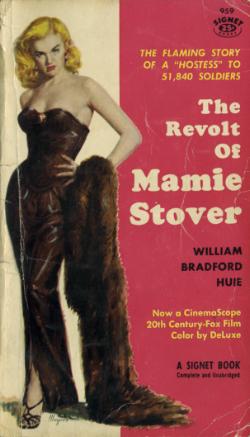
In some cases, yes. Vintage paperbacks have often gone through life as scratch pads, coffee cup coasters, or a myriad of other indignant professions. If I have encountered a book whose image I can alter slightly in order to restore it to its originally intended appearance, I have done so. See the images to the right as an example. I do not "fix" contributed scans.
"What are the little letters at the end of some of the database entries?"
Since the BookScans site is the first source that is designed to show cover art by publisher, I HAVE NO WAY OF DETERMINING WHAT A FIRST PRINTING LOOKS LIKE UNLESS I OWN THE BOOK. So if I scan a second printing, I'll give it a "b" until I'm sure that it's exactly the same as the first. In the pictures shown (Signet 959), one is a second printing (0959b) and one is a 14th (0959n). The computer sorts letters much better than it does numbers. I've done this mostly with the Pocket Books, Penguins and Signets. If there is no letter, it's a first printing.
"Do any of the books appear in the database more than once?" In some cases, yes. Many of the images in the "Artistic Interpretations," "Twins" and the "Special Groups" folders also appear in their own Publishers' Folders. The duplicates are NOT included in the total number of scans indicated on the Home Page.
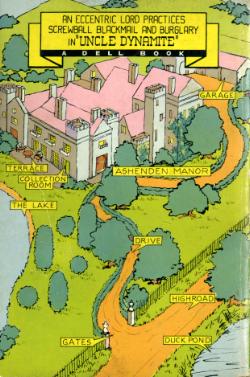
"Are there really THAT many books in the database?" You should realize that some of the images in the database are of Back Cover artwork that I considered significant. The first thousand Dell images, for example, includes almost 500 back cover images.
"Who the heck are you?" I'm Bruce Black. I live in Corvallis, Oregon, and I'm always happy to hear from other members of the Vintage Paperback community.
|